

Table of Contents
The Great Roof Debate: Factors Influencing Longevity
Material Matters: Asphalt Shingles vs. Metal Roofing
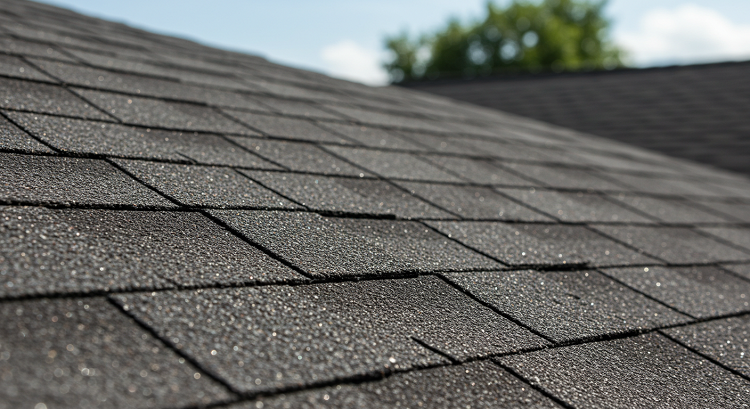
When discussing roof longevity, the choice of material is paramount. In Minnesota, where harsh winters, heavy snowfall, and occasional severe storms are commonplace, it’s critical to select roofing materials that can withstand such conditions. Asphalt shingles are the most popular roofing choice across the U.S., and for good reason. They typically last between 15 to 30 years, depending on the quality of the shingles and whether they are installed correctly. They offer great budget-friendly options and are generally easier to install. However, their susceptibility to wind and extreme temperatures can pose risks in Minnesota’s unpredictable climate.
On the other hand, metal roofing, which includes options such as steel, aluminum, and copper, is becoming increasingly popular in this region. Metal roofs can last 40 to 70 years with proper maintenance and are highly resistant to extreme weather conditions, making them a durable choice. They can reflect sunlight, providing energy efficiency benefits, which is an intriguing prospect for homeowners looking to lower their energy bills. Despite the higher upfront costs associated with metal roofing, the long-term savings and reduced need for repairs often make it a wiser investment in the context of Minnesota’s environmental challenges.
Climate Conundrum: How Minnesota’s Weather Affects Lifespan
The climate in Minnesota presents unique challenges that can significantly impact the lifespan of a roof. With average winter temperatures dropping well below freezing, coupled with heavy snow accumulations, roofs must be built not only for water shedding but also for heavy loads. Snow can weigh down roofs, putting significant pressure on structures poorly equipped to handle it. This load becomes especially burdensome when combined with freeze-thaw cycles, which can lead to ice damming. Ice dams occur when heat escapes from the home and melts snow on the roof, causing water runoff that refreezes at the eaves or gutters, creating ice that can trap additional water under shingles and lead to leaks.
Moreover, summer thunderstorms can introduce additional strains. High winds associated with these storms can loosen shingles or even strip them away entirely, while hail can cause immediate surface damage and reduce the lifespan of roofing materials over time. Homeowners should be particularly aware of how the right ventilation, insulation, and drainage systems can mitigate these risks and influence the overall longevity of their roofs.
Installation Integrity: The Unsung Hero of Roof Longevity
Quality of installation is often overlooked but is, without a doubt, one of the most crucial factors in determining the longevity of a roof. Even the best materials can falter if not installed correctly. Key components like proper underlayment, flashing around chimneys and vents, and sealants at key points are essential. In Minnesota, where ice dam formation is a concern, getting the slope right is critically important. A roof that isn’t installed properly may not drain water effectively, leading to pooling that can result in leaks and increased wear over time.
Additionally, using qualified, experienced contractors is vital. In regions where the harsh climate can cause additional stress to roofs, hiring a contractor familiar with the local environment can make a significant difference. Homeowners should always research the credentials and previous work of roofing companies before making a choice, as the initial investment in quality installation can pay dividends in the form of longevity and peace of mind.
Signs of Aging: When to Repair or Replace Your Roof
The Tell-Tale Signs: Cracks, Leaks, and Beyond
Knowing when to repair or replace your roof is crucial to maintaining the integrity of your home. Regular roof inspections can help catch problems early, which can save homeowners time and money down the line. One of the most evident signs of aging roofs is the presence of cracks or missing shingles. Asphalt shingles may curl at the edges, while metal roofs may show infections of rust or corrosion.
Moreover, interior signs such as water stains on ceilings or walls can indicate that a roof is not performing effectively. Leaks can occur from various sources, including damaged flashing, worn-out shingles, or even issues with skylights or vents. It’s essential to take these signs seriously; if left unaddressed, they can lead to much more extensive damage, including mold growth, increased heating costs, and structural issues.
The granule loss from asphalt shingles is another critical signal of aging. These tiny particles are what initially provide waterproofing and UV protection to shingles; their absence can expose the base material to harsh weather elements, leading to accelerated deterioration. Homeowners should look for signs of significant granule loss in their gutters or at the foot of downspouts during cleaning sessions.
The Age Factor: Understanding the Lifespan of Various Roofing Materials
Understanding the expected lifespan of various roofing materials is an essential part of managing and maintaining your home, especially if you’re asking how long do roofs last in MN, where weather conditions can be tough on materials. Asphalt shingles typically last between 15 to 30 years. In contrast, architectural shingles, which are heavier and built with more robust materials, often extend this lifespan significantly, sometimes reaching up to 50 years under the right conditions. Clay and concrete tiles are renowned for their longevity, often lasting 50 years or more but requiring a sturdy structure capable of supporting their considerable weight. Slate roofs can last over a century, but this choice is one of the most expensive options available. Regular maintenance can enhance these lifespans significantly; therefore, whatever material is chosen, it’s important that it aligns with both the homeowner’s budget and long-term planning needs.
Cost vs. Benefit: Making the Smart Choice for Your Roof
When it comes to roofs, the old adage “you get what you pay for” definitely holds true. Homeowners must carefully consider the balance between upfront costs and long-term benefits. Less expensive materials like traditional asphalt shingles may save money initially, but they may result in increased costs related to repairs and replacements every couple of decades.
Alternatively, investing in metal roofing may seem expensive initially; however, the long-term energy savings, coupled with fewer repairs and increased resale value of a home, can provide substantial cost benefits. In Minnesota, where heating costs can be particularly high, energy-efficient roofing solutions can dramatically influence energy consumption, demonstrating how a better roof can be a smart financial choice in the long run.
Maintenance Matters: Keeping Your Roof in Prime Condition
Seasonal Checklists: Preparing Your Roof for Winter and Summer
Seasonal roof maintenance is advantageous for prolonging their lifespan and reducing the risk of major leaks or damage in the future. In winter, the focus should be on ensuring that gutters are cleared of debris to prevent heavy snow from building up. Homeowners should also inspect attic insulation to prevent heat loss, which can contribute to the formation of ice dams. After heavy snow or storms, it’s essential to remove snow buildup as much as practicable to alleviate pressure on the roof.
Conversely, in the summer, roof inspections should focus on looking for damage incurred over the winter months, including checking for loose shingles, rust, or debris accumulated in gutters. This is also the best time to trim back any overhanging branches to prevent potential damage from falling limbs during a storm. Completing periodic checks will ensure that minor issues are addressed before they escalate into significant repairs, leading to more costly consequences.
DIY vs. Professional Care: Finding the Right Balance
Many homeowners take pride in tackling DIY maintenance tasks, and while there are certainly areas where DIY efforts can be beneficial, the complexity and risks associated with major roof maintenance often necessitate hiring professionals. Simple tasks such as cleaning gutters, inspecting for visible issues, and performing minor repairs can typically be handled by an experienced homeowner. However, for more serious concerns such as significant leaks, structural damage, or complete replacements, engaging experts is advisable to ensure that work is done correctly and safely.
Investigating local companies and reading reviews can help homeowners find reputable professionals. This investment in quality care pays dividends not just for physical integrity but also protection against warranty issues or further structural problems that can arise from inadequate maintenance.
Investing in Longevity: How Regular Maintenance Pays Off
The cliché “an ounce of prevention is worth a pound of cure” rings very true when it comes to roof maintenance. Regular inspections, cleaning, and timely repairs can significantly extend the lifespan of any roofing material. Spending a little money on maintenance can save thousands in costly repairs or premature roof replacement in the future. Homeowners who invest in maintenance often recoup their costs through improved energy efficiency, enhanced property value, and peace of mind knowing that their home is protected.
Beyond the Basics: Innovations in Roofing Technology
Eco-Friendly Options: Sustainable Roofing Materials for the Future
As environmental consciousness grows, eco-friendly roofing options are gaining traction among homeowners, particularly in states like Minnesota, where residents are keen on sustainability. Modern green roofs, made from vegetative material, not only reduce stormwater runoff and insulate homes but also provide habitats for wildlife. They can absorb carbon dioxide and other pollutants, thus contributing positively to the environment.
Additionally, solar shingles are revolutionizing the roofing industry by offering homeowners the ability to generate power directly from their roof. These shingles combine functionality and sustainability, significantly reducing energy costs and decreasing carbon footprints. With state incentives for renewable energy sources, the upfront investment can be recouped over time through energy savings, making eco-friendly options a viable route for building an energy-efficient future for your home.
Smart Roofing Solutions: How Technology is Transforming Roof Longevity
The advent of smart technology has also found its way into the roofing sector, with solutions designed to monitor roofing conditions and alert homeowners to potential issues before they become costly problems. Smart sensors can assess environmental conditions surrounding the roof, such as temperature fluctuations and moisture levels, helping to identify vulnerabilities early, far before any serious damage occurs. These innovations are pivotal in preventing leaks and unnecessary wear, promoting longevity and efficiency.
Furthermore, integrated systems can allow homeowners to control their home environment better, ensuring that heating and cooling systems work harmoniously with the roof’s performance. As technology continues to advance, homeowners will have an increasingly sophisticated arsenal to ensure that their investment in roofing materials delivers maximum value over the long term.
Emerging Trends: What’s New in Minnesota’s Roofing Landscape?
The roofing industry in Minnesota is constantly evolving. Homeowners increasingly favor materials and designs that enhance functionality while complementing the aesthetic of their homes and neighborhoods. For instance, there is a growing shift towards more customizable options, allowing homeowners greater flexibility to find roofing solutions tailored to their specific needs.
Additionally, as the demand for ice-melting products has surged, there are now innovative solutions available, such as heat cables that can be installed on rooftops to keep snow and ice from accumulating and causing damage. This technology, combined with advanced roofing materials designed to withstand Minnesota’s unique weather, is propelling the industry into new dimensions.
As homeowners become more educated about these options, the desire for robust and stylish roofs that can endure Minnesota’s weather while being environmentally friendly will continue to shape the roofing landscape. Engaging with knowledgeable contractors who understand local trends can help homeowners choose options that best meet their needs.