

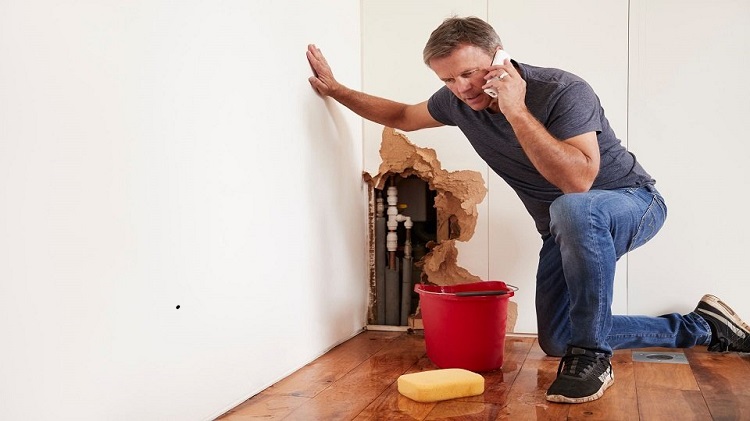
One of the most frequent and damaging issues a homeowner may encounter is water damage. The repercussions can be severe whether the cause is flooding, busted pipes, a leaky roof, or any other unanticipated circumstance. In addition to causing mold, mildew, and other issues, water damage can harm the structural of your house. A water damage contractor can help you prevent more damage and get your house back to how it was.
Properties are repaired and restored by water damage restoration contractors. They contribute knowledge, experience, and the tools required to properly restore any impacted areas and minimize damage. To avoid future issues, they identify the cause of the damage, contain it, and return the property to its pre-damage state rather than merely drying out the water.
Table of Contents
Immediate Response and Assessment
Time is critical when water damage occurs. Water can do greater harm to a house the longer it remains there. Water damage contractorsare taught to react promptly and evaluate the issue as soon as possible. They show up on the scene to assess the damage and take the necessary measures. Common procedures include removing standing water, setting up industrial fans and dehumidifiers to dry out the property, and keeping an eye on moisture levels to stop the spread of mold.
Along with water extraction, contractors evaluate the property to identify areas in danger of further damage. They also identify potential sources of the water, such as leaks, broken pipes, or drainage issues, to ensure that the problem does not continue after the immediate damage has been addressed. Preventing water damage and structural damage requires this initial inspection.
Moisture Control And Mold Prevention
One of the most significant risks of water damage is the development of mold and mildew. Mold grows and spreads swiftly within 24–48 hours of water exposure. Not only does mold pose a serious health risk, but it can also worsen the damage to your home. Water damage contractors are experts in moisture control and mold prevention.
They use specialized equipment to monitor humidity levels and ensure that the area is properly dried. This often involves using high-powered fans, dehumidifiers, and air scrubbers that are designed to remove moisture from the air and surfaces. The contractor may also use antimicrobial agents to treat affected areas to prevent mold from taking hold. By controlling moisture levels and drying out the affected spaces, contractors help mitigate the risk of mold growth, which could otherwise lead to costly and extensive repairs.
Restoration And Repair
Once the water has been extracted, and the property has been dried out, the next phase of the water damage contractor’s role is to restore and repair any areas that were damaged. This can include repairing walls, floors, ceilings, and any other structural elements that may have been affected by the water.
Water damage contractors use a combination of techniques and materials to restore your home. This includes replacing damaged drywall, replacing insulation, and repairing or replacing flooring. They also address any plumbing or structural issues caused by the water. The goal is to return the home to its pre-damage condition, ensuring that it is safe, stable, and fully functional.
During this phase, contractors often work closely with insurance adjusters to ensure that the work is covered under your insurance policy and to document the damage for claims purposes. They also help homeowners understand what is and isn’t covered by insurance, making the entire restoration process smoother.
Long-Term Prevention
Preventing future water damage is just as important as repairing the current damage. Water damage contractors solve the problem and prevent it from happening again. They inspect the property for potential risks, such as faulty gutters, poor drainage systems, or plumbing issues that could lead to further damage. If these issues are identified, the contractor can recommend solutions, whether it’s installing a sump pump, sealing cracks, or fixing the roof to prevent future leaks.
Additionally, they provide homeowners with advice on how to protect their property from future water damage. This might include routine maintenance tips, such as cleaning gutters, checking for leaks, or installing flood barriers in at-risk areas. By offering these long-term prevention measures, contractors help homeowners avoid future water-related problems and ensure their property remains protected.
Conclusion
Water damage contractors are crucial to minimizing water damage. From immediate response and thorough assessments to moisture control, mold prevention, and long-term restoration, their expertise is invaluable in ensuring that homes are fully restored and protected from further harm. Their experience, knowledge, and use of specialized equipment allow them to address both the immediate and long-term consequences of water damage, ultimately saving homeowners time, money, and stress.