
More than just an ugly annoyance, mold is a major issue that can compromise the integrity of your house or place of business as well as the health of its occupants. When left untreated, mold can spread quickly, triggering allergies, causing respiratory problems, and even damaging walls, floors, and ceilings. For homeowners seeking mold remediation in Charlotte, working with certified professionals ensures that mold is effectively removed, preventing future health risks and property damage. That’s why mold remediation is not just about cleaning; it’s about restoring a safe and healthy living environment.
Table of Contents
Understanding Mold Growth
Mold is one type of fungus that thrives in damp, humid conditions. It often begins growing within 24 to 48 hours after water damage or high moisture exposure, such as flooding, leaky pipes, or poor ventilation. Because mold spores are tiny and airborne, they can readily land on and spread to places you might not see, like under carpets, behind walls, or inside air conditioning units.
Common indoor molds include aspergillus, cladosporium, and stachybotrys chartarum (often referred to as black mold). While not all molds are toxic, many produce allergens and irritants that can be harmful, especially to individuals with asthma, weakened immune systems, or mold sensitivities.
Health Hazards Linked To Mold
The presence of mold indoors can lead to a range of health problems. Even brief exposure can result in symptoms like:
- Nasal congestion.
- Sneezing.
- Skin irritation.
- Eye redness and itchiness.
- Coughing and wheezing.
Prolonged exposure may worsen symptoms and lead to chronic respiratory issues or sinus infections. Mold exposure can be especially harmful to young people, the elderly, and people with pre-existing respiratory disorders.
Mold remediation eliminates the source of these health risks by removing contaminated materials and preventing spores from spreading further.
Why Professional Mold Remediation Matters?
Attempting to clean mold with household products is rarely effective. Surface cleaning can remove visible mold, but it doesn’t address hidden growth or prevent recurrence. Professional mold remediation ensures a thorough and lasting solution by:
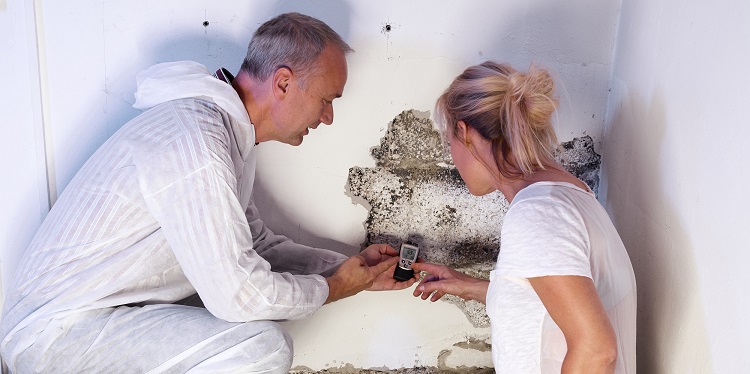
- Identifying Hidden Mold: Experts use moisture meters and infrared cameras to detect mold behind walls and under flooring.
- Containing The Area: To prevent spores from spreading during removal, professionals isolate affected areas using negative air pressure and plastic sheeting.
- Using Specialized Equipment: Air scrubbers, HEPA vacuums, and antimicrobial treatments eliminate both mold colonies and airborne spores.
- Drying The Environment: Addressing the root cause of moisture is key. Dehumidifiers and structural drying help ensure mold doesn’t return.
- Repairing Damaged Materials: In extreme situations, it might be necessary to remove and replace the flooring, insulation, or drywall in order to completely eradicate contamination.
By following industry-standard procedures, mold remediation professionals can safely restore indoor air quality and prevent further damage to your property.
Protecting Your Property Investment
Aside from health concerns, mold can significantly devalue your property. It stains walls, weakens structural components, and creates persistent odors. Over time, untreated mold can lead to extensive repairs that are both disruptive and expensive.
Prompt remediation helps preserve your property’s functional and aesthetic integrity while safeguarding your investment. Whether you’re a homeowner planning to stay long-term or a seller preparing your home for the market, addressing mold issues promptly is essential.
Preventive Steps To Avoid Mold Growth
While mold remediation is critical once contamination is discovered, prevention is equally important. Here are a few steps you can take to minimize the risk:
- Fix leaks in roofs, walls, or plumbing immediately
- Make sure the kitchens, laundry rooms, and bathrooms have adequate ventilation.
- Use dehumidifiers in damp areas like basements.
- Clean and maintain gutters and downspouts regularly.
- Avoid carpet in areas prone to moisture.
The best method to stop mold from growing in the first place is to take proactive measures to control moisture.
Conclusion
Mold is a serious issue that affects both health and property. Ignoring it can lead to chronic health problems and costly repairs. Mold remediation is more than a cleaning job—it’s a critical process to ensure your home or business remains safe, healthy, and structurally sound. By investing in professional remediation and following up with proper maintenance, you’re taking important steps to protect your living environment and the people within it.